The Cameroon's Colossus Unveiling the Nation's Premier Wood Factory
The Cameroon's Colossus Unveiling the Nation's Premier Wood Factory
Blog Article
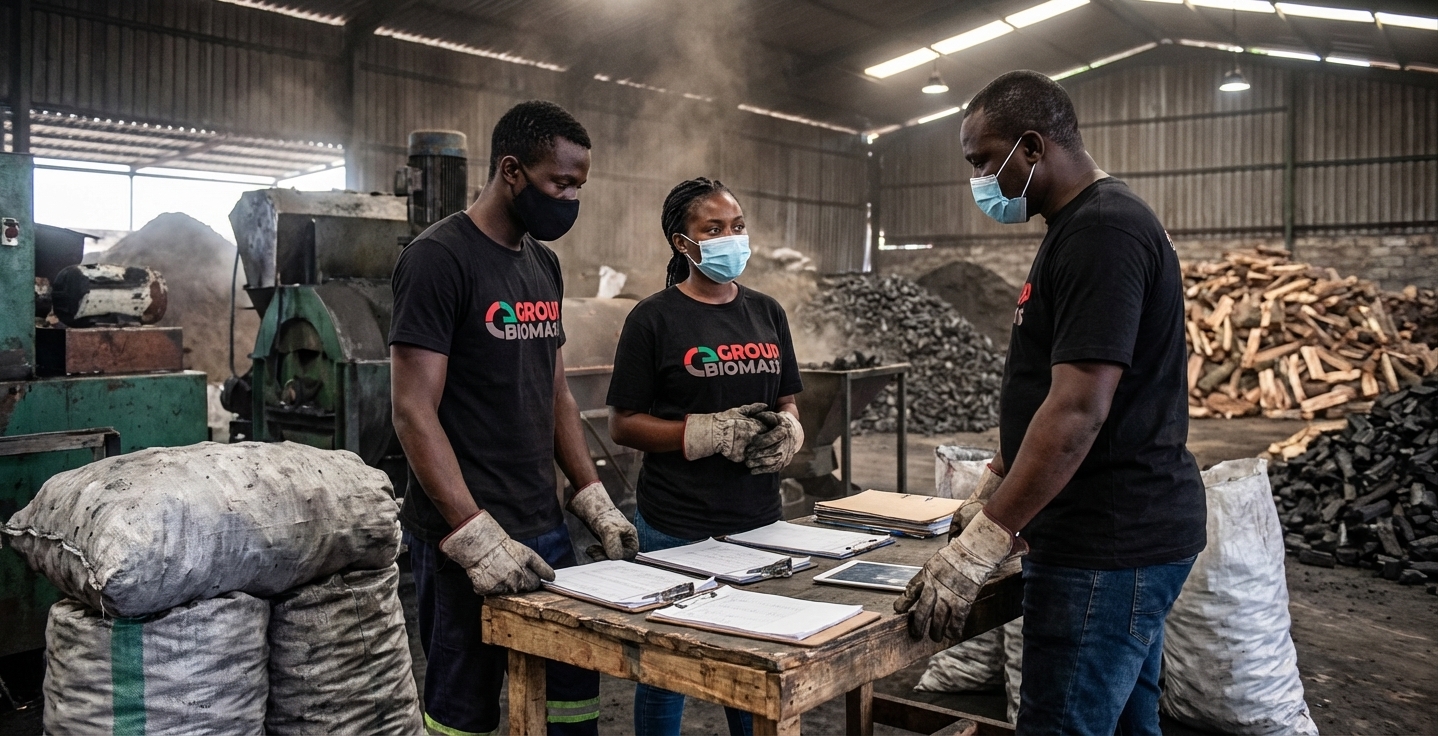
Deep within the country, a significant operation stands as here a representation to the growing demand for charcoal . This industrial complex, reportedly the region’s largest fuel plant , is attracting attention for both its scale and the possible environmental impact . While providing jobs for local communities, the plant’s activities are sparking concerns about sustainable forest practices and the overall preservation of Cameroon’s forests .
Hardwood Lump Charcoal Sale Boom: The Rising Player
Cameroon is experiencing a substantial surge in dense lump carbon shipments, positioning itself as a key source in the global sector. Driven by increasing demand from European United States and Asian regions, the nation’s production of this eco-friendly fuel is quickly growing, offering valuable avenues for local farmers and boosting the regional prosperity. The priority on environmentally friendly hardwood granulated carbon is showing to be a major aspect in securing foreign customers.
Inside Cameroon’s Hardwood Lump Charcoal Factory: Production & Sustainability
Stepping into a common Cameroon hardwood lump fuel factory reveals a surprisingly straightforward method of manufacturing. Raw wood, often obtained from managed forests, are carefully felled and transported to a furnace. Here, the lumber is carefully heated with minimal oxygen, a procedure that transforms it to granular charcoal. Despite the conventional methods applied can be labor-intensive, increasingly new factories are integrating refined techniques and trying methods to boost both productivity and environmental sustainability. This encompasses investing in green energy and introducing strict debris control .
Cameroon's Wood Charcoal Trade : A Major Contributor in Worldwide Sales
Despite mounting environmental anxieties, Cameroon’s wood charcoal sector remains a surprising and vital role in the global export arena . The production of charcoal from wood is a important source of income for thousands of local families , particularly in remote regions . This operation generates a substantial amount of lump charcoal destined for foreign markets , often supporting heating needs in other countries , though this dependence creates difficulties relating to forest loss and eco-friendly forest management .
Le Contre Charbon Massif de Bois et Des Briquettes Un Point de Vue Camerounaise
Au le Cameroun , la décision face à un charbon de bois massif et les briquettes pose une matière. Habituellement, le charbon de bois est privilégié pour son arôme typique et sa capacité à produire une température intense , appropriée afin de la cuissons locales . Toutefois, les briquettes , plus faciles de acquérir et moins économiques , gagnent à popularité , notamment auprès les zones citadines .
Eco-friendly Charcoal Creation : The Outlook of Cameroon’s Hardwood Industry
The traditional method of charcoal manufacture in Cameroon presents a significant threat to its valuable hardwood woodlands . However, new sustainable approaches offer a promising path forward. These feature technologies like biomass waste processing and kiln-less earth kilns , which lessen deforestation, cut emissions, and create livelihood opportunities for local villagers. Embracing these environmentally sound methods is critical to safeguarding Cameroon's biological heritage and guaranteeing the long-term viability of its hardwood sector while tackling climate concerns.
Report this page